Author name: Admin

Uncategorized

Why Indore is the Investor’s Goldmine in 2026 & Beyond

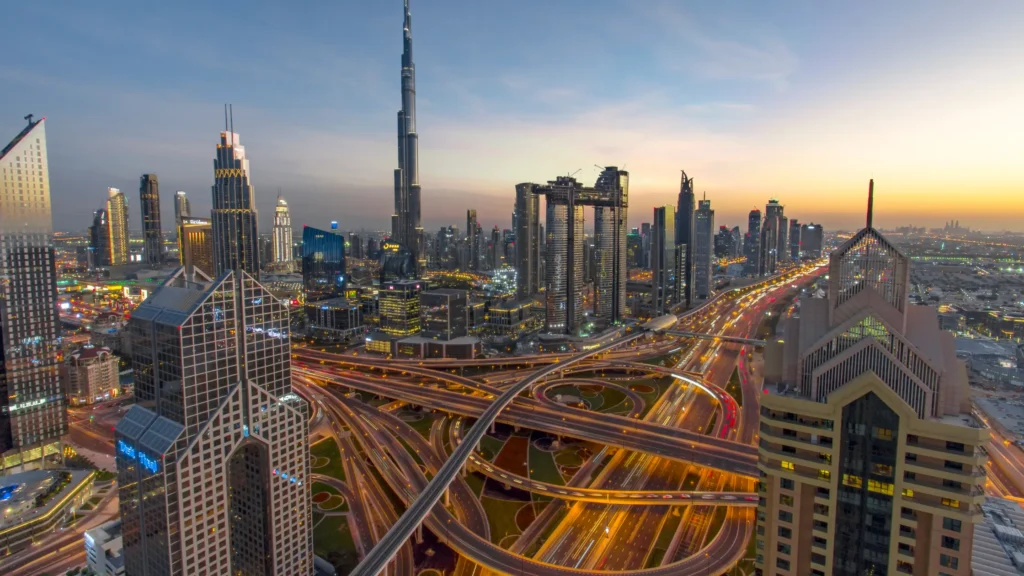
Indore is rewriting the growth story of Central India. Ranked India’s Cleanest City for the 8th consecutive year (Swachh Survekshan 2024) and attracting over ₹2.46 lakh crore in fresh investments, the city is transforming into a business and real estate powerhouse. With rapid infrastructure expansion — including the Indore Metro, Super Corridor, and IT SEZ developments — Indore stands out as one of the most profitable investment destinations in 2025 and beyond.The city recorded a 15–20% annual rise in property values,driven by strong industrial growth, rising IT presence, and proactive governance. 🚀 “Invest in Indore 2025 – Where Property Values Are Soaring!” ✨ Why Indore is the Investor’s Goldmine in 2025 & Beyond ✨ Indore isn’t just another Tier-2 city — it’s emerging as Central India’s real estate powerhouse, redefining what smart property investment means in 2025 and beyond. From high-return residential hubs near the Metro and Super Corridor, to booming commercial and mixed-use spaces driven by IT, industry, and education—Indore is offering investors exactly what Tier-1 cities no longer can: high growth at entry-level pricing.” For those seeking medium to long-term wealth creation, Indore stands out as the perfect mix of stability + appreciation + rental yield, making it one of India’s most future-ready real estate markets. With its unique mix of affordability, accelerating infrastructure, business-friendly governance, and superior livability, Indore is fast becoming the go-to destination for investors looking for both short-term gains and long-term stability. 🌍 Why Indore Stands Out as India’s Next Big Investment Destination Why Indore’s Real Estate Market Is Growing Here’s why Indore’s real estate market is booming and what the future of real estate investment in India—especially via cities like Indore—looks like: 1. Infrastructure & Growth Strong infrastructure isn’t just development—it’s future-proofing your investment.The metro rails, super corridors, and smart roads of today are the foundations of tomorrow’s fortune. Indore’s inclusion in the Smart Cities Mission has led to intelligent traffic systems, waste management enhancements, and modern public utilities—raising urban livability and investment appeal.Outlook India, Zupyak,  Emerald Website The Indore Metro, with its first Yellow Line inaugurated on 31 May 2025, has begun operations, with more lines underway—dramatically improving connectivity and boosting property demand along its corridors.Wikipedia+1 Infrastructure projects like the Super Corridor, AB Bypass Road, and ring roads are creating new real estate hotspots, with many areas seeing double-digit price appreciation, often exceeding 100% over the past few years.Outlook India,ogarealty.com, tytil.com, lashkariproperties.com, +1Houssed 2.Economic Strength & Investment Appeal Indore is a regional powerhouse in industry, IT, higher education, and finance. It’s known as the commercial and financial capital of Central India, boasting industrial zones like Pithampur (often called the “Detroit of India”) and an expanding SEZ network. The presence of IIM and IIT Indore, premier medical facilities, and growing job markets attract both professionals and students, increasing housing demand—both residential and rental. 3. Affordability + Appreciation Compared to metros such as Mumbai or Bangalore, Indore offers housing costs 30–40% lower, combined with strong growth rates of 8–10% per annum, making it attractive for both end-users and investors. Smart investors don’t just buy cheap, they buy where value multiplies—Indore delivers both. 4. Investor-Friendly Policies Supportive frameworks like single-window clearances, RERA enforcement, PMAY affordable housing schemes, and tax incentives have improved transparency and confidence in the market. 5. Quality of Life and Sustainability A perennial winner of the “Cleanest City” award, Indore draws families seeking hygiene, security, and cultural vibrancy. Now, its real estate also features gated communities, green buildings, and smart-home amenities. People don’t just move to Indore for jobs—they stay for its unmatched quality of life. Good livability drives demand—and Indore tops the charts on both. 🔑 Indore’s Real Estate Secrets: Growth, Opportunity & Prosperity Future Outlook: India Real Estate & Why Indore Stands Out India-Wide Trends The overall Indian real estate sector is gaining momentum: Q2 2025 saw boosted confidence among developers and investors due to stable macroeconomic conditions and favorable policies.The Economic Times Projected investments in real estate, roads, and renewables are expected to reach ₹17.5 lakh crore over the coming fiscal years—a 15% increase from previous years.The Economic Times Additionally, industrial and logistics leasing is at record highs, thanks to manufacturing growth and supportive government incentives.The Economic Times Real estate tax relief and relaxed policies boosting disposable incomes are spurring demand, especially in tier-2 and tier-3 markets similar to Indore.ReutersThe Economic Times Indore’s Edge in the National Scenario With metro connectivity now live, Indore is synchronizing infrastructure, livability, and affordability—a rare combination among Indian cities. Continued infrastructure delivery and disciplined urban planning promise steady property appreciation and rental demand. Growing institutional interest (e.g., CapitaLand aiming to double India investments by 2028) highlights confidence in Indian real estate generally—and cities like Indore specifically.Reuters Emerging trends like fractional real estate also open pathways for smaller investors to participate in commercial real estate growth.The Economic Times Indore 2025: Central India’s Next Real Estate Hotspot Indore’s Real Estate Revolution: The Power Factors Driving Growth Beyond 2025 Indore has emerged as one of India’s most promising real estate destinations, offering the perfect blend of affordability, growth, and good governance. As infrastructure projects like the Indore Metro and Super Corridor reshape the city, investors are eyeing strong returns across residential, commercial, and mixed-use properties. With steady economic growth and proactive policy support, Indore is positioning itself as a Tier-2 city powerhouse — a smart, sustainable, and rewarding choice for long-term investors. Infrastructure Metro, Smart Roads, Super Corridor, Ring Roads—reducing travel times, raising connectivity, lifting property values.   Infrastructure & Growth In Indore, every new bridge, road, and metro line is a new opportunity for investors. Economic Base Diverse economic drivers: industry (Pithampur), IT, education, healthcare fueling sustained demand.   Economic Strength & Investment Appeal A strong economy builds strong investments—Indore’s commercial heartbeat is proof of it. Affordability + Appreciation Lower costs than Tier-1 cities, but with 8–10%+ annual appreciation—and some areas up 100% over 3 years.   Affordability + Appreciation Smart investors don’t just buy cheap, they buy where value multiplies—Indore delivers both.Low entry,

Uncategorized

Buying a Home with a Home Loan: A Complete Guide with Real-Life Examples

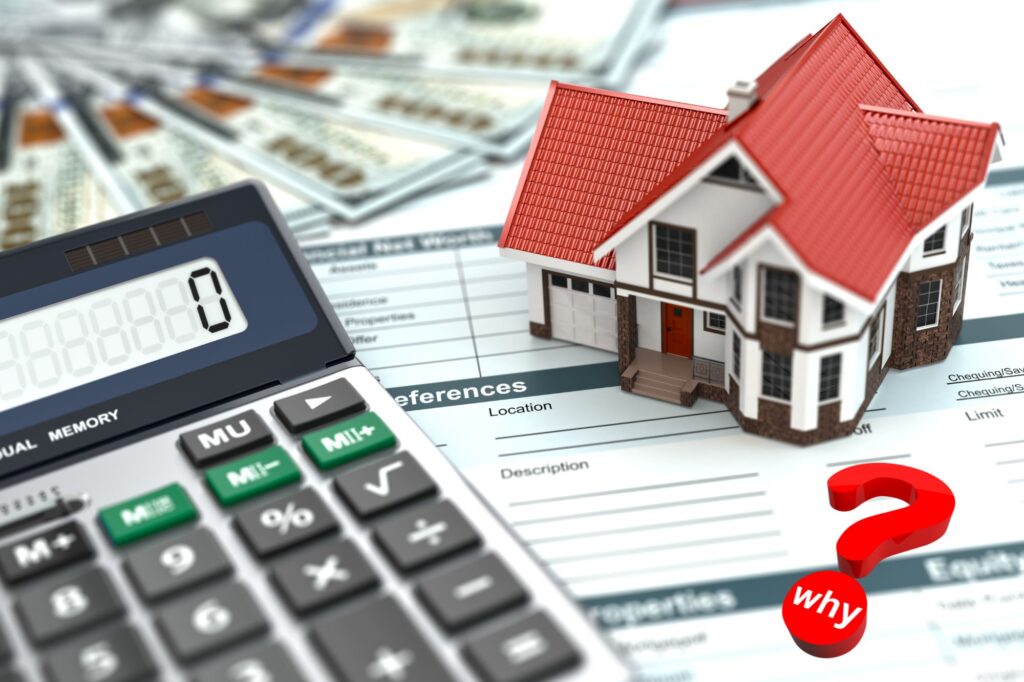
Buying a home is a dream shared by millions. It’s not just about bricks and cement; it’s about creating a space of your own — where you live, grow, and build memories. But for many people, especially in today’s world of rising property prices, buying a house outright with savings isn’t possible. This is where a home loan comes into the picture. It enables you to own a home today and pay for it gradually over time. In India, home loans have helped countless middle-class and upper-middle-class families achieve homeownership without having to wait decades. In this guide, we’ll not only explain the process of buying a home with a loan but also share examples, scenarios, and case studies so you can clearly understand how it works in real life. Why Buying a Home with a Loan Makes Sense Example 1: Renting vs. EMI Let’s say you live in Indore and pay ₹20,000 rent per month for a 2BHK flat. That’s ₹2.4 lakh per year and ₹24 lakh over 10 years — money that only benefits the landlord. Now, if you buy a ₹45 lakh flat with a loan of ₹35 lakh (₹10 lakh down payment), your EMI at 8% for 20 years will be about ₹29,000 per month. Yes, it’s slightly more than rent, but every EMI builds equity in YOUR property. After 20 years, you own an asset that may be worth ₹90 lakh or more due to appreciation. 👉 Lesson: Paying EMI is like investing in your own future instead of someone else’s. Benefits of Buying with a Home Loan Affordability – Buy today instead of waiting 10–15 years to save. Tax Benefits – Under Sections 80C, 24(b), and 80EEA, you save thousands annually. Property Appreciation – Real estate usually grows in value. Financial Discipline – Regular EMIs help you build a habit of saving and investing. Emotional Security – Your own home gives stability, pride, and peace of mind. Types of Home Loans (with Examples) Home Purchase Loan – The most common type for buying new or resale flats. Example: A couple buys a ₹60 lakh ready-to-move-in apartment with a ₹45 lakh loan. Home Construction Loan – For building on your own plot. Example: You already own land worth ₹20 lakh and take a ₹30 lakh loan to construct a house. Home Improvement Loan – For renovation or expansion. Example: You borrow ₹10 lakh to remodel your kitchen and add a new bedroom. Plot + Construction Loan – To buy land and build. Example: Buy a plot for ₹15 lakh and take a combined ₹40 lakh loan to build a house on it. Home Loan Balance Transfer – Move loan to another bank offering lower interest. Example: Shift from 9% to 7.5% interest, saving ₹3,000/month on EMI. Step-by-Step Guide to Buying with a Loan 1. Self-Assessment of Finances Before applying, check your income, expenses, and EMI capacity. Example: If your monthly income is ₹80,000, aim for an EMI of ₹25,000–₹30,000, not more. 2. Check Your Credit Score A CIBIL score above 750 increases approval chances. Example: Ravi (score 780) gets 8% interest; Suresh (score 640) pays 9.5%. On a ₹40 lakh loan, Ravi saves ₹15 lakh over 20 years compared to Suresh. 3. Arrange the Down Payment Most banks cover 75–90% of property cost. Example: For a ₹50 lakh property, you need to pay ₹5–12.5 lakh as down payment. 4. Select the Right Bank/Lender Compare interest rates, processing fees, and hidden charges. 5. Get Loan Pre-Approval With a pre-approved budget, you can negotiate better with builders. 6. Property Verification Banks check legal documents, approvals, and construction quality. 7. Loan Sanction & Disbursement Funds are released directly to the seller or builder. Example Case Study: Case: Buying a Flat in Indore Property Price: ₹55 lakh Loan Amount: ₹40 lakh Down Payment: ₹15 lakh Tenure: 20 years @ 8% interest EMI: ₹33,458/month Over 20 years, total payment = ₹80 lakh (₹40 lakh principal + ₹40 lakh interest). But in 20 years, the flat’s value may grow to ₹1.2 crore. So while you pay ₹80 lakh, your net worth grows by ₹40 lakh (1.2 cr – 80 lakh). Documentation Required Personal Documents PAN, Aadhaar, Passport-size photos Address proof (utility bills, voter ID, passport) Income proof (salary slips, ITRs, bank statements) Property Documents Sale agreement Title deed Encumbrance certificate NOC from society/authority Choosing the Right EMI Strategy Example 1: Short Tenure (10 years) Loan: ₹40 lakh @ 8% EMI: ₹48,500 Total Interest: ₹18 lakh Example 2: Long Tenure (20 years) Loan: ₹40 lakh @ 8% EMI: ₹33,458 Total Interest: ₹40 lakh 👉 Short tenure = higher EMI but saves on interest. Long tenure = lower EMI but more interest. Risks and Challenges (with Examples) Interest Fluctuations – Floating rates may rise. Example: An EMI of ₹30,000 can suddenly increase to ₹34,000. Job Loss – Missing EMIs can harm your credit score. Solution: Keep an emergency fund of 6–12 EMIs. Over-Borrowing – Don’t buy beyond capacity. Example: Choosing a ₹70 lakh house when you can comfortably afford ₹50 lakh will cause stress. Tax Benefits Explained with Example Suppose you take a loan of ₹40 lakh @ 8% for 20 years. Your first-year interest is about ₹3.15 lakh. Under Section 24(b): You can claim up to ₹2 lakh deduction on interest. Under Section 80C: You can claim up to ₹1.5 lakh deduction on principal. If you are in the 30% tax bracket, you save around ₹1 lakh in taxes per year. Practical Tips for Smart Home Loan Management Make Prepayments – Use annual bonuses or savings to reduce loan balance. Avoid Multiple Loans – Focus on home loan repayment first. Keep Insurance – Take home loan insurance to protect family in case of uncertainties. Refinance Smartly – If rates drop, transfer to a cheaper lender. Future of Home Loans in India Digital Processing – Instant approvals through fintech apps. Government Schemes – PMAY benefits for first-time buyers. Affordable Housing Boom – Rising demand in Tier-2 cities like Indore, Bhopal, and Nagpur.

Uncategorized

Home is Where Investment Meets Emotion: Why Buying a House is More Than Just a Financial Decision

Introduction When people talk about buying property, the first thing that comes to mind is investment. We often hear terms like appreciation, ROI (Return on Investment), and resale value. While these are undeniably important, owning a house goes far beyond financial returns. A home is not just four walls and a roof — it’s a place filled with emotions, security, growth, and legacy. Real estate is one of the few assets that combines financial prosperity with emotional satisfaction. When you buy a house, you are not just securing a property, you are creating a space for life to happen — from family celebrations and personal milestones to future security and generational wealth. This article explores in detail why buying a home is more than just a financial decision, the different benefits it brings, and how to make smart choices when entering the real estate market. 1. The Emotional Value of Owning a Home Money can buy many things, but the sense of belonging and security that comes with homeownership is priceless. Sense of Security – Owning a home ensures your family always has a safe place. You don’t have to worry about landlords, increasing rents, or sudden evictions. Personal Identity – A home reflects who you are. From the interior design to the location you choose, everything mirrors your lifestyle and personality. Stability – Families thrive in stable environments. Children growing up in their own homes feel more secure compared to those who frequently move due to rental shifts. Pride of Ownership – Buying a house is often seen as a milestone of success and stability in society. In short, a home creates memories that money alone cannot buy. 2. The Financial Side of Homeownership While emotions play a big role, the financial side of real estate cannot be ignored. In fact, real estate is one of the most powerful wealth-building tools in the world. Appreciation Over Time – Property values almost always appreciate in the long run. For example, plots purchased near Indore’s Pithampur industrial hub 10–15 years ago have multiplied several times in value due to development. Rental Income – Owning additional property ensures a steady cash flow. Residential flats or commercial spaces can provide monthly income that supplements your salary. Loan and Tax Benefits – In India, homebuyers enjoy tax deductions on both principal (Section 80C) and interest payments (Section 24b). Wealth Creation – Unlike cars or gadgets that depreciate, real estate grows in value while also generating income. Thus, owning a house is not an expense but a long-term investment strategy. 3. Why Renting is Not Always the Best Option Some argue that renting is cheaper than buying. While it may seem so in the short term, in the long run, rent money does not create any wealth. Rent keeps increasing every year, but EMIs (Equated Monthly Installments) remain stable over time. After 20 years of paying rent, you own nothing. After 20 years of paying EMIs, you own a property worth crores. Rental homes cannot be customized to your liking, while your own house can be tailored to your dreams. Buying may feel heavy initially, but it pays off with financial security and emotional satisfaction. 4. Factors to Consider Before Buying a House When buying property, both heart and mind must work together. 📍 Location Proximity to schools, hospitals, and offices. Connectivity via highways, metro, or railway. Growth potential due to upcoming infrastructure projects. 💰 Budget Fix a realistic budget that balances comfort and affordability. Don’t overstretch your finances — EMIs should ideally not exceed 40–45% of income. 🏗️ Builder Reputation For under-construction projects, research the developer’s past projects, delivery timelines, and construction quality. 📑 Legal Verification Ensure the property is RERA-registered. Verify title deeds, approvals, and NOCs. 🏡 Type of Property Apartment/Flat – Easy maintenance, modern amenities. Independent House/Villa – More privacy, more space. Plots – High appreciation potential, flexibility to build. 5. Real Estate as a Legacy Perhaps the most overlooked yet powerful aspect of real estate is legacy building. Unlike stocks, bonds, or even digital investments, property is something tangible that can be passed on to future generations. A family home becomes a heritage. Land appreciates over decades, securing wealth for children and grandchildren. A house is not just a gift, but a foundation for future stability. As one old saying goes: “You don’t inherit land from your ancestors, you borrow it from your children.” 6. Real Estate in the Context of Indore Indore is one of the fastest-growing cities in India, making it a hotbed for property investments. Smart City Mission – Transforming infrastructure and lifestyle. Connectivity – Well-linked by NH-3 (Agra-Bombay Highway), airport, and railways. Industrial Growth – Pithampur SEZ and manufacturing hubs boosting demand. Affordable Housing – Compared to metros, Indore offers high-quality housing at reasonable rates. Hotspot Locations – Mhow-Pithampur Road, Super Corridor, and Ring Road extensions are attracting investors. Township projects like Maa Vindhya Wasini Township are rising as perfect blends of affordability, growth, and connectivity. 7. Mistakes First-Time Buyers Should Avoid Buying Only with Heart – Emotions matter, but don’t ignore legal and financial checks. Ignoring Future Needs – A 1BHK may be enough now, but think long-term for family expansion. Skipping Location Research – A beautiful home in a poor location won’t appreciate. Not Considering Hidden Costs – Registration, stamp duty, parking, and maintenance. Rushing Decisions – Always compare options before finalizing. 8. The Future of Real Estate With urbanization, population growth, and industrial expansion, real estate will only become more valuable. The next decade will see: Smart Homes with technology-driven features. Green Housing Projects focusing on sustainability. Township Living offering gated communities with world-class amenities. High ROI in Emerging Cities like Indore, Pune, Hyderabad, and Lucknow. For investors, the key lies in buying early in developing locations where appreciation potential is highest. Conclusion Buying a house is not just about acquiring property — it’s about creating a lifestyle, stability, and a future. It offers financial growth through appreciation and rentals, but more importantly,

Uncategorized

Why Real Estate Will Always Be the Cornerstone of Wealth Creation

Introduction When it comes to building wealth, few assets have stood the test of time like real estate. Generations of investors — from ancient kings who built empires on land ownership to today’s billionaires who control commercial towers and township projects — have proven one fact beyond doubt: Real estate is not just about land or buildings; it’s about creating stability, growth, and legacy. While financial markets rise and fall, while currencies fluctuate, and while technology disrupts industries, land remains limited and essential. This scarcity, combined with growing demand, makes property a unique asset class that delivers both emotional security and financial prosperity. 1. The Timeless Value of Land Land has always been seen as a symbol of power and wealth. History shows us that kingdoms were measured by their territories, not just their treasures. Even today, the most successful families and corporations across the world hold a significant portion of their wealth in real estate. Why? Because land is finite. Unlike stocks that can be issued, or money that can be printed, no one can create new land. With a growing global population and urban migration, demand for land and housing only increases. This fundamental rule makes real estate different from any other asset — it is permanent, tangible, and timeless. 2. The Wealth-Building Advantages of Real Estate 📈 1. Long-Term Appreciation Property prices have historically appreciated over time. For example, a plot purchased near Indore’s Pithampur industrial area 15 years ago has multiplied many times in value, thanks to rapid development and connectivity improvements. While short-term dips may occur due to economic cycles, the long-term trajectory of real estate is usually upward. 💰 2. Passive Income through Rentals Unlike gold or stocks, real estate can generate monthly income. A residential flat can bring steady rent, and a commercial property can yield even higher returns. This cash flow allows property owners to reinvest, repay loans, or create an additional income stream without selling the asset. 🛡️ 3. Hedge Against Inflation As the cost of living increases, so does the value of property and rental income. Real estate naturally adjusts to inflation, protecting your wealth better than fixed deposits or bonds. 📊 4. Leverage and Loan Benefits With a relatively small down payment, you can finance a large property through bank loans. This leverage effect allows you to control a high-value asset with limited upfront capital. Additionally, home loan EMIs are often covered by rental income, making it a self-sustaining investment. ⚖️ 5. Tax Benefits In India, buyers can claim deductions under Section 80C (principal repayment) and Section 24(b) (interest payments). This makes property ownership financially attractive while reducing tax liability. 3. Why Real Estate Outshines Other Investments Let’s compare real estate with other popular investments: Asset Type Risk Returns Tangibility Emotional Value Legacy Value Stocks/Equity High High (volatile) Intangible Low Medium Mutual Funds Medium Medium Intangible Low Medium Gold Low Medium Tangible Medium Medium Fixed Deposits Very Low Low Intangible Low Low Real Estate Medium High (stable) Tangible High Very High Real estate is the only asset that combines financial growth, physical presence, and generational legacy. 4. The Emotional & Social Side of Property Ownership Unlike stocks or bonds, buying property has emotional depth. Security for the Family – Owning a home ensures your family always has a safe place. Freedom from Rent – No landlord, no yearly rent hikes, no insecurity. Social Prestige – Property ownership often symbolizes success and stability in society. Generational Gift – A home or plot is something you can pass on to children as inheritance. This blend of financial and emotional satisfaction makes real estate more fulfilling than other investments. 5. Smart Ways to Invest in Real Estate 🏠 Residential Properties Apartments, villas, or gated township homes. Evergreen demand due to population growth. Can be self-occupied or rented out. 🏢 Commercial Properties Offices, shops, warehouses, and industrial plots. Higher rental yields (often 6–10% annually). Long-term lease agreements provide steady income. 🌆 Plots in Emerging Areas Best for appreciation over time. Flexibility to build later as per budget and needs. Example: Plots on Mhow-Pithampur Road, Indore, are appreciating rapidly due to industrial development. 🌴 Farmhouses and Holiday Homes Increasing trend post-pandemic. Can double up as personal retreats and Airbnb-style rental properties. 6. Common Mistakes Buyers Must Avoid Ignoring Legal Checks – Always verify titles, approvals, and RERA registration. Overstretching Budget – Never invest at the cost of financial stress. Falling for “Too Good” Offers – Unrealistic prices may indicate legal disputes. Not Considering Future Growth – Always check upcoming infrastructure plans before investing. Skipping Due Diligence on Builders – Research builder’s track record, delivery timelines, and quality. 7. Real Estate in India: A Market of Opportunity India is witnessing a massive real estate boom driven by: Urbanization – Millions moving to cities, increasing housing demand. Smart Cities Mission – Cities like Indore, Pune, and Bhopal are transforming with modern infrastructure. Industrial Corridors – Growth in Pithampur, IT parks, and SEZs (Special Economic Zones). Government Incentives – Housing subsidies, lower interest rates, and tax benefits for buyers. For instance, Indore has become a hotspot due to: Being ranked India’s cleanest city multiple times. Proximity to the Delhi-Mumbai Industrial Corridor. Affordable housing compared to metros. Townships like Maa Vindhya Wasini Township on Mhow-Pithampur Road attracting both end-users and investors. 8. Expert Tips to Build Wealth Through Real Estate Think Long Term – Real estate rewards patience; hold properties for 7–10 years. Diversify – Spread investments across residential, commercial, and land. Check ROI, Not Just Price – Focus on potential rental yield and resale appreciation. Invest Early – The earlier you buy, the longer your property has to appreciate. Work with Trusted Advisors – Always consult certified agents, lawyers, and financial planners. Conclusion Real estate is more than just land or buildings — it is a foundation for time, growth, and legacy. While stock markets may fluctuate and digital currencies may come and go, real estate remains rooted in reality. It provides financial security, emotional comfort,

Uncategorized

Buying a New House and Property: A Complete Guide for Homebuyers

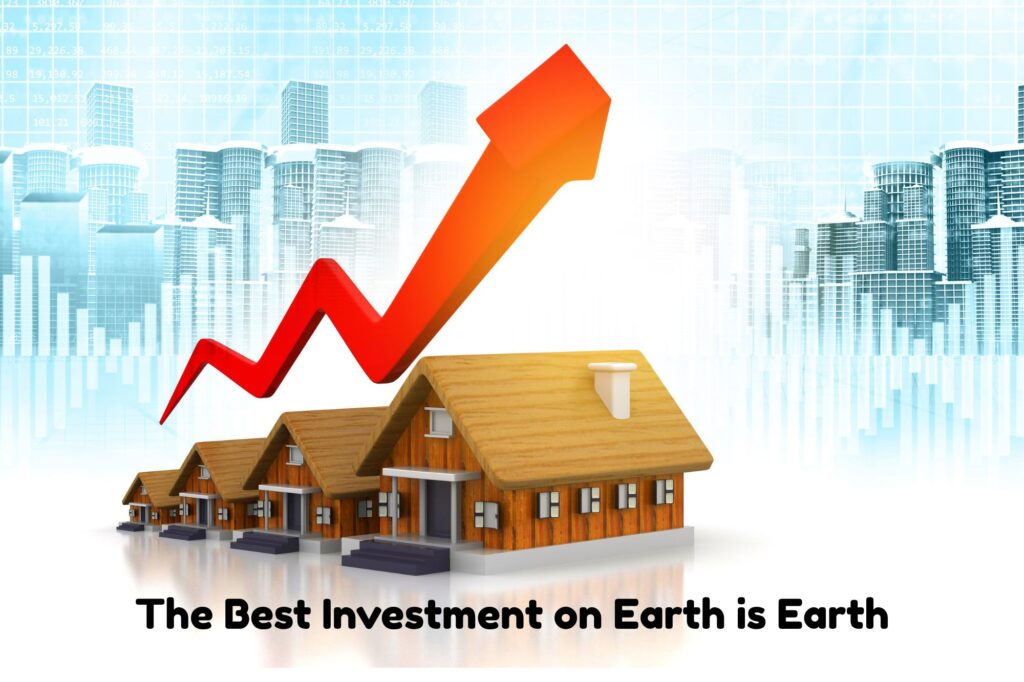
Buying a new house or property is one of the most important financial and emotional decisions of life. It is more than just acquiring land or walls — it is about creating a home, securing your family’s future, and making an investment that can multiply over time. Whether you are a first-time homebuyer, an investor, or someone upgrading to a bigger property, understanding the process, benefits, challenges, and smart tips will help you make a confident decision. 1. Why Buying a New House Matters Emotional Security – A house is not just bricks and mortar; it’s a safe space where memories are created, families grow, and bonds strengthen. Financial Growth – Real estate remains one of the safest long-term investments, often giving higher returns compared to gold, stocks, or fixed deposits. Stability – Unlike renting, owning a home provides stability and freedom from monthly rental hikes or the uncertainty of shifting houses frequently. Legacy for Future Generations – A home or piece of land is something tangible you can pass on to your children and grandchildren. 2. Key Factors to Consider Before Buying 📍 Location The golden rule of real estate — Location, Location, Location. Proximity to schools, hospitals, and workplaces. Upcoming infrastructure projects like highways, metro stations, or industrial areas. Neighborhood safety, greenery, and overall lifestyle quality. 🏠 Type of Property Apartments/Flats – Ideal for urban buyers, easier to maintain, comes with amenities. Independent Houses/Villas – Offers privacy and customization but higher costs. Plots/Land – High appreciation potential, gives flexibility to build as per your choice. Commercial Property – Best for investors seeking rental income. 💰 Budget and Financing Evaluate your savings and eligibility for a home loan. Keep in mind hidden costs like registration, stamp duty, GST, maintenance charges, and furnishing. Ensure EMI doesn’t exceed 40–45% of your monthly income. 📑 Legal Due Diligence Verify clear title deeds, land ownership, and approvals from local authorities. Check if the property has RERA registration (in India). Ensure no pending litigations, dues, or encroachments. 🏗️ Builder’s Reputation (for under-construction projects) Research the track record of the builder/developer. Visit previous projects to check construction quality. Read customer reviews and check delivery timelines. 3. Benefits of Buying New Property vs. Old Property New Property Old Property Modern design, better layouts May require renovation Comes with amenities (gym, clubhouse, security) Limited amenities Lower maintenance cost initially Higher repair/maintenance costs Better resale value due to modern infrastructure Depreciation over time 4. Financial Aspects to Keep in Mind Home Loan Eligibility – Based on income, credit score, and liabilities. Tax Benefits – Under Sections 80C and 24(b) in India, buyers can claim deductions on principal and interest. Down Payment – Typically 10–20% of property value. Resale Potential – Always evaluate appreciation in the area. 5. Common Mistakes to Avoid Ignoring Hidden Costs – Stamp duty, parking charges, and society maintenance. Overstretching Budget – Buying beyond capacity can affect lifestyle. Not Checking Builder Credentials – Leads to delayed possession or poor quality. Skipping Legal Verification – Can result in disputes later. Buying Only for Trend – Choose what suits your lifestyle and future needs. 6. The Buying Process Step by Step Research and Shortlist Properties – Compare locality, price, and amenities. Site Visit – Always check the actual property, not just brochures. Budget Planning – Fix your budget and arrange down payment. Legal Check – Hire a property lawyer for document verification. Home Loan Approval – Approach banks for pre-approved loans. Negotiation – Finalize the best price and offers. Registration & Handover – Complete paperwork and get possession. 7. Why Real Estate is a Timeless Investment Ever-Increasing Demand – Population growth keeps pushing housing demand. Tangible Asset – Unlike stocks, property is physical and usable. Passive Income – Renting property creates monthly cash flow. Long-Term Appreciation – Land is limited; its value usually rises with time. 8. Expert Tips for First-Time Buyers Always buy in a developing location, not just developed ones — higher appreciation chances. Go for RERA-registered projects for safety and transparency. Consider future needs — schools for kids, office commute, hospitals nearby. If possible, avoid emotional buying; take decisions with long-term investment in mind. Hire a trusted real estate advisor to avoid costly mistakes. 9. Buying Property in Indore: A Growing Market Indore has emerged as one of the fastest-growing real estate hubs in India due to: Smart City development and growing IT/industrial sectors. Connectivity to NH-3 (Agra-Bombay Highway), Pithampur industrial area, and Mhow cantonment. Affordable housing options compared to metro cities. Rising demand for townships like Maa Vindhya Wasini Township on Mhow-Pithampur Road. For buyers and investors, Indore offers both affordability and appreciation potential. 10. Final Thoughts Buying a new house or property is not just a financial decision; it’s a life-changing step. It represents stability, growth, and a lasting legacy. While the process involves careful research, legal checks, and financial planning, the rewards — both emotional and financial — are immense. Whether you’re buying your first dream home or investing for the future, remember: “The best investment on earth is earth.” Make the right move today, and secure a brighter tomorrow for yourself and your family.

Uncategorized

When You Buy Real Estate, You’re Not Just Buying Land — You’re Buying Time, Growth, And Legacy.

Exploring how every piece of land carries the power to create financial freedom, community growth, and lasting legacy. Real estate has always been more than just a financial transaction. It is a decision rooted in vision, foresight, and legacy-building. When someone buys real estate, they often think they are simply purchasing land or a home. In reality, they are buying time, growth, and a legacy that can last generations. Unlike stocks, bonds, or digital assets that exist on paper or in virtual systems, real estate is tangible, timeless, and transformative. It is a foundation upon which families, businesses, and entire cities are built. Let’s explore how real estate transcends a mere purchase and becomes an investment in time, growth, and legacy. 1. Buying Time: A Hedge Against Uncertainty Time is the most valuable asset anyone can own. Real estate, in its own unique way, allows investors to buy time — time to grow wealth, time to secure a future, and time to provide stability for loved ones. Long-term appreciation: Unlike volatile markets that can crash overnight, land values typically appreciate with time. Every passing year adds value to the property, creating wealth even when you are not actively working for it. Passive income: Rental properties generate steady income that gives owners the freedom of time. While tenants pay rent, property owners can focus on other pursuits, businesses, or family time. Security for the future: Owning land or a home reduces anxiety about retirement, inflation, or rising rents. It provides peace of mind — a cushion of time that protects against uncertainty. In essence, real estate buys you time by ensuring your money works for you long after you’ve made the initial investment. 2. Buying Growth: From Land to Prosperity Real estate is a growth engine. From personal financial growth to community development, every property has the potential to create prosperity. Capital growth: Land is a finite resource. As cities expand and populations rise, demand increases, pushing property values upward. A piece of land bought today can multiply in value over decades. Wealth creation through leverage: With financing options, buyers can use small down payments to control large assets. Over time, as loans are repaid and property values rise, equity grows exponentially. Community growth: Buying real estate doesn’t just benefit individuals. Every home purchased, every business established, and every township developed contributes to economic activity, job creation, and social progress. Generational growth: A plot of land purchased today becomes the foundation of tomorrow’s businesses, schools, or family homes. Growth is not just financial; it is generational. When you buy real estate, you are not just buying for yourself. You are fueling growth that touches families, neighborhoods, and entire economies. 3. Buying Legacy: A Gift for Generations Perhaps the most profound aspect of real estate is its ability to create a legacy. Unlike many other assets, land and property can be passed down through generations, carrying both financial and emotional value. A symbol of stability: Owning property is often considered a milestone of success. It provides children and grandchildren with security and a sense of belonging. Generational wealth: Land rarely depreciates in the long run. Families that pass down real estate ensure that future generations have financial foundations and opportunities. Emotional connection: A home is not just bricks and mortar; it’s where families create memories, traditions, and stories. This intangible value makes real estate a unique legacy. Philanthropic legacy: Many investors use their properties to create schools, trusts, or charitable institutions, leaving behind a mark of service and contribution. A piece of land outlives its owner, becoming a bridge between the past, present, and future. 4. Real Estate as the Foundation of Civilization From ancient times, civilizations have been defined by their land and property systems. Cities flourished where land was cultivated, homes were built, and marketplaces thrived. Even today, nations measure wealth and progress by real estate development. Urban expansion: Every new highway, metro line, or industrial hub starts with land acquisition and development. Cultural roots: Temples, monuments, and ancestral homes are all forms of real estate that connect generations. National pride: Cities like New York, Dubai, or Mumbai showcase how real estate becomes an identity of growth, ambition, and vision. When you invest in real estate, you are not just a buyer; you are a contributor to the fabric of civilization. 5. The Emotional Power of Real Estate While numbers and returns define many investments, real estate has a unique emotional dimension: Homeownership: Buying a home represents independence, pride, and security. Dream fulfillment: For many, owning land is a lifelong dream — something their ancestors may have aspired to. Anchor in life: Amid career changes, market fluctuations, or personal transitions, a home or plot of land serves as an anchor — a constant in a changing world. This emotional aspect is why real estate is considered a life milestone, not just an investment. 6. Real Estate vs Other Investments: Why It Stands Apart Stocks: High risk, high return, but intangible. Real estate provides steady appreciation and income. Gold: Valuable but static. Real estate grows and generates utility. Cryptocurrency: Extremely volatile, speculative, and lacks real-world utility. Real estate is rooted in permanence. Fixed Deposits: Safe but low return. Real estate outpaces inflation and provides multiple returns. No other asset combines tangibility, appreciation, income, and legacy the way real estate does. 7. Practical Examples of Time, Growth, and Legacy Buying Time: A family that invests in rental apartments gains monthly rental income, which secures their retirement years without dependence on pensions. Buying Growth: An investor who bought land near highways or industrial corridors has seen property values multiply several times over in 10–15 years. Buying Legacy: Families that purchased ancestral homes decades ago continue to pass them down, each generation adding stories, memories, and financial strength. These stories repeat across cities and generations, proving that real estate is more than a transaction — it is transformation. 8. The Future of Real Estate: Why Legacy Matters Now More Than Ever In a

Uncategorized

The Best Investment on Earth is Earth

Why Real Estate Continues to Be the Most Reliable Path to Wealth Creation When Will Rogers, the famous American humorist, said, “The best investment on Earth is earth,” he captured the timeless truth about land and property ownership. Centuries have passed, economies have changed, and financial markets have evolved, but one fact remains unchanged – investing in real estate has always been, and continues to be, one of the most secure and rewarding paths to wealth creation. In today’s world of volatile stock markets, fluctuating currencies, and unpredictable business trends, real estate stands tall as a tangible asset that offers security, stability, and long-term appreciation. Let’s explore in detail why land and property continue to hold such unrivaled value. 1. Tangibility and Security of Real Estate Unlike shares, bonds, or cryptocurrencies, real estate is a physical asset. You can see it, touch it, and utilize it. Land doesn’t vanish overnight, and buildings provide shelter and utility. This tangibility gives investors unmatched confidence. Land is finite: Unlike money that governments can print or stocks that companies can issue, the supply of land is limited. As the population grows, demand for land only increases, making it one of the most secure forms of investment. A hedge against inflation: Property prices and rents typically rise with inflation, making real estate a natural shield against rising costs of living. 2. Historical Appreciation of Land History shows us that land values rarely depreciate in the long term. Cities expand, infrastructure develops, industries rise, and with that, the price of land appreciates. Urban expansion: Areas that were once farmland or barren land have become bustling cities. Early investors who bought land at lower prices have seen astronomical returns. Infrastructure-driven growth: Highways, airports, metro lines, and industrial corridors significantly boost land values. A plot near a newly constructed road or industrial hub can multiply in value in just a few years. For example, regions around Delhi NCR, Bengaluru, and Indore have seen tremendous land appreciation due to rapid industrialization and urbanization. 3. Multiple Income Streams from Real Estate Real estate is not just about appreciation; it also generates regular income. Rental income: Residential properties, offices, and commercial shops can provide steady rental returns. Leasing opportunities: Industrial plots and warehouses near highways are in great demand for long-term leasing. Agricultural value: Even farmland generates recurring returns through crops or lease agreements. This dual advantage of capital appreciation + regular income makes real estate a powerful wealth-building tool. 4. Emotional and Social Security Owning land or a home has a deep emotional value, especially in countries like India. It’s a symbol of stability, prestige, and success. A home is not just an asset – it’s a legacy passed down generations. Parents save throughout their lives to buy a plot or house for their children. This emotional attachment makes real estate different from any other form of investment. 5. Real Estate vs Other Investments Let’s compare real estate with other popular investment options: Stocks & Mutual Funds: While they may offer high returns, they are volatile and subject to market crashes. In contrast, real estate values rarely see drastic overnight drops. Fixed Deposits & Bonds: Safe but offer low returns compared to inflation. Gold: A traditional safe investment, but it lacks the utility and income-generating potential of property. Cryptocurrency: Extremely volatile and unregulated, posing high risks. Real estate combines safety, appreciation, and income, making it more balanced than any other asset class. 6. The Power of Leverage in Real Estate Another unique advantage of real estate is leverage. Banks and financial institutions are more willing to finance real estate purchases compared to other assets. With a relatively small down payment, one can acquire a large property through loans. Over time, as the property value rises and the loan gets repaid, the investor builds substantial equity. This ability to use other people’s money (OPM) to grow wealth is a feature almost exclusive to real estate. 7. Government Policies and Real Estate Growth Across the world, governments support real estate development because it fuels economic activity. In India, several initiatives have boosted real estate investments: PMAY (Pradhan Mantri Awas Yojana) – Housing for All. Smart Cities Mission – Infrastructure push in key cities. Industrial Corridors & SEZs – Increasing land demand in surrounding areas. RERA (Real Estate Regulation Act) – Brings transparency and security to buyers. Such reforms ensure that property buyers and investors can invest with greater confidence. 8. Future of Real Estate Investment Looking at demographic and economic trends, real estate will continue to thrive: Urbanization: By 2030, more than 40% of India’s population will live in cities, pushing demand for housing. Industrial growth: Emerging industrial belts like Pithampur, Dhar, and others will require residential and commercial development. Technology & Infrastructure: Smart cities, bullet trains, and expressways will create new growth hubs. Population growth: With increasing population and limited land, scarcity will continue to drive up values. 9. Practical Tips for Real Estate Investors As a real estate expert, here are some golden rules before investing: Location is everything – Choose plots near highways, industrial zones, or upcoming infrastructure. Check legal clearances – Ensure the land has clear title, RERA registration (if applicable), and approvals. Think long-term – Real estate wealth grows best when held for years, not months. Diversify within real estate – Mix residential, commercial, and land holdings. Don’t overstretch – Use leverage wisely, ensuring EMI commitments remain manageable. 10. The Timeless Truth When we look at all the factors – limited supply of land, growing population, infrastructure-driven demand, historical appreciation, income potential, and emotional value – the wisdom in Will Rogers’ words becomes clear: “The best investment on Earth is earth.” Unlike other investments that may rise and fall with economic cycles, real estate endures, appreciates, and provides utility. It is both a financial instrument and a personal treasure. Whether you are a first-time buyer, an experienced investor, or someone planning to secure your children’s future, real estate remains the most reliable path to wealth creation

Scroll to Top